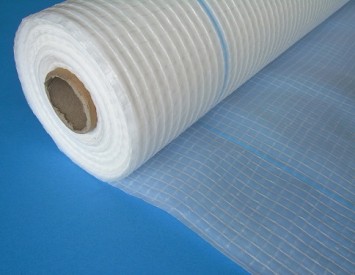
During the construction of construction work, it is extremely important to provide high-quality vapor barrier, which would protect the carrying structures from the overabundance of moisture. Otherwise, very soon inside the walls, the floor or the ceiling will appear fungus or spots of mold, which ultimately lead to the destruction of the construction. But before these tenants will have to experience negative changes in the microclimate indoors that can cause chronic malaise and various diseases. We will tell you in detail in detail in this article about how to choose and sharpen vaporizolation in this article.
Content
Types of vapor insulation
The modern building materials market offers the widest choice of vapor barrier, which would extend the operating time of the building and retained a favorable microclimate inside.
The installation process itself is quite simple and implement even without possession of professional skills. But before you begin to work, you need to select the correct vapor barrier, applicable specifically for your case.
Three types of vapor insulation materials are known depending on the type of installation:
- calane;
- painting;
- strong.
Below we will look at each of them in more detail.
Parosechny vaporizolation
Equal vaporizolation is carried out using a special protective film.
The advantages of this type of vaporizolation are obvious:
- simple and quick installation;
- hermetic segments;
- small number of seams;
- durability;
- good vapor insulation properties.
There are several types of inlet vaporizolation depending on the materials used:
- Polyethylene film - there can be different density and length, sold in rolls. Cuts of the film are mounted with each other with the help of conventional or aluminum tape, and to the base - nails or brackets (construction stapler). You can lay the film by any side, leaving small gaps at the bottom and at the top for air circulation and providing a good stretch. If you do not leave the gaps, it is possible that condensate will be formed.
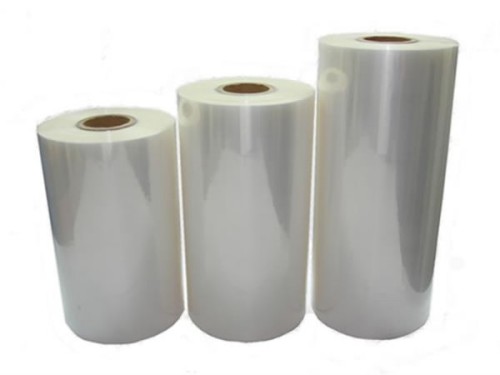
- Penofol is a vapor insulating coating with a reflective layer. This is a special durable and flexible foamed polyethylene with one foil side. It is actively used in the construction of frame houses from a galvanized profile. Also excellent for the construction of saunas and baths. Place the fenofol is quite simple, but the installation rules will depend on the characteristics of the structure. The material has not only excellent vapor insulation properties, but also is considered a good heat insulator, reflecting ultraviolet radiation and keeping comfortable temperature inside the house. Penophol for the floor is mainly used for hot or very wet rooms - baths, shower, kitchens, bathrooms.
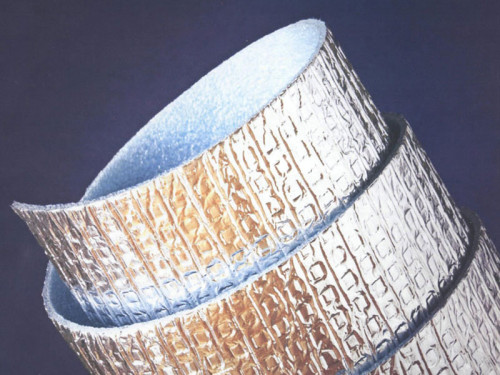
- Polypropylene film - material, more durable than polyethylene film. The best are species with anti-condensate coating with low vapor permeability. They do not give condensate to get on the inner side and reliably protect the design. In other cases, condensate is formed on the inner surface of such films, so if you decide to use this material, make sure that it has a corresponding steamproof barrier. One side of such a film is characterized by a rough surface. Laying vaporizolation follows the side to the outside so that the condensate can quickly evaporate. But there are cases when the polypropylene film is hardened in two layers: smooth or rough sides inside.
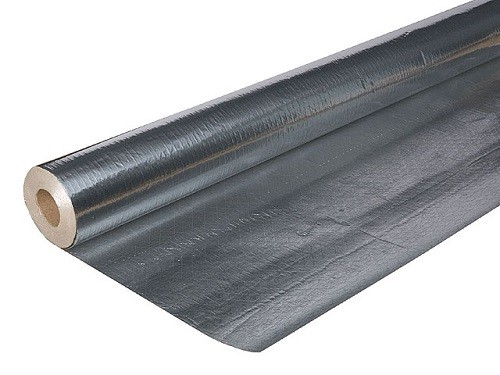


Painting vaporizolation
Painting vaporizolation is carried out by means of bitumen mastics (cold, asphalt, etc.), chlorinated varnishes, polyvinyl chloride varnishes. This species is suitable for protecting lapty roofs, as well as roofs built from steel professional flooring.
To ensure painting vaporizolation, first need to carefully clean the surface from any contamination, dry well and eliminate any irregularities with a special grout. Then put the mastic with a smooth layer, processing each centimeter of the square.
Painting vaporizolation is applicable not only for horizontal surfaces. To handle walls, chimneys or ventilation outputs, it is necessary to use preheated mastic.

Depending on the type, it is necessary to warm up mastic in different degrees:
- bituminous - 180s;
- rubber-bitumen - 200С;
- degtess - 160s;
- getroker - 70c.
Strong vaporizolation
The rapid vaporizolation is the surface coating with cement-sandy solution made from grade 50 cement. The sealing of the joints is carried out by special solutions, such as UT-31.
After grouting with a solution with a solution, paint is painted or covered with cement. This type of vaporizolation is mainly used for walls.

Which side to be laid
Many inexperienced builders often work poorly, because they do not know which side to lay vaporizolation. As a result, there is no sense from such a job, and the money is spent in vain.
The main rules for the installation of thermal insulation:
- If you use a double-sided film, where one side is smooth, and the other rough, always lay the material with a smooth surface inside, that is, on the insulation. The rough side should contact with moisture and allow it to evaporate freely. If you do vice versa, the glossy layer will not take steam, and accumulate it in the form of condensate. Its task is to protect the thermal insulation material, not passing the steam accumulated side of the steam.
- If you work with a polypropylene film with one-sided glossy (laminated) layer, steering vaporizolation is necessary to the smooth side inside, and wicker is outward.
- When working with foil films, it should be remembered that the foil layer is designed to reflect ultraviolet radiation. Objecting logic, it can be concluded that it is necessary to lay such vaporizolation to the foil outward.

The above principles are applicable for almost all cases, but manufacturers of modern vapor insulation materials can still make their adjustments, so always read the instructions on the package. A bright example is a vapor barrier film of the isospan, the manufacturer of which recommends to retain it with a rough side inside, and glossy - outward.
Installation of vaporizolation
Knowing how to sharpen vapor barrier will correctly allow to avoid the formation of mold and fungus. Depending on how part of the house you work, the installation of materials will be different. Consider the most popular options for laying vapor barrier in the residential room.
Parosolation roofing
For the literate device of steam barrier, the roof needs to know some nuances. So, the rolls of the material should be cut down from top to bottom, slightly coming to each next layer on the previous bracket by 3-5 cm.
To connect separate parts of the coating, a special tape is used, providing seam tightness. Most often apply durable aluminum tape or rubberized adhesive tape.

If we are talking about vaporizolation of a laptile roof, then the film should be placed in a horizontal position and secure to the crate or the decide.
Parosolation ceiling
To prepare the ceiling to the installation of vaporizolation, it does not need a lot of time. You only need to fit the surface, collect dust with a wet cloth and give it to dry. Then it is necessary to smell and sweep all the irregularities and notches, if any, align the ceiling by primer and wait for drying.
The vapor barrier film needs stretch so that the irregularities in which condensate could have been accumulated. To ensure such a stretch on the ceiling, attach the material to the ceiling beams with a common transparent scotch. Cuts of the film also need to lay the peaks and sinking the joint scotch. The joint line every 30 cm approach nails with wide hats.
Ceiling vaporizolation is attached separately or simultaneously with the insulation with wooden or metal plates. Rakes should be screwed at the same frequency that the nails were driven - 30 cm. Very useful in such work will be a furniture stapler - brackets will replace nails with large hats and will provide reliable fixation.

In a construction store, you can offer leafy vapor barrier for the ceiling. To attach it, you will also need a special profile that you can buy or make it yourself. In such a situation, first to the ceiling must be attached to the frame, and then insert a sheet vapor barrier and insulation into it. Sheets are also put on the walls on the walls, so as not to give to form the slits in the places of docking walls with ceiling beams.
In some cases, if the ceiling coating is suitable, watery vapor barrier is allowed. The material is applied in several layers, each of which needs to be carefully dried before applying the following. It is usually enough 2-3 layers of vapor barrier.
Steamed stearazolation
Laying vaporizoation on the walls should be filled with rolls from below up and fixing horizontal parts of the material with wooden slats or galvanized profile. It is necessary to leave the ventilating hole for air circulation. It is usually done between vapor barrier and interior decoration at a distance of approximately 4 cm. This condition must be observed in all rooms, especially where heating is inconstant, often high humidity.

The lower part of the vapor barrier material should be located below the base level of the house so that water can be seeded inside the walls.
Parasolation floor
Before laying vapor barrier to the floor, all the wooden elements of the base should be carefully treated: bars, lags and boards. The processing is carried out by antiseptic means that protect the tree from rotting and damage to parasites.
If you are going to establish vaporizolation on the already built floor, you should disassemble it by removing the finishing floor and removing the old vapor and thermal insulation materials that have come into disrepair. After that, it is necessary to clean everything well and just in case to process the wooden segments of the draft floor with an antiseptic. After that, the new heat and vapor barrier is stacked.
For more information on how to lay vapor insulation on the floor and walls, see the video below:
We hope this article will help you correctly fix vaporizolation and cope with any kind. In any case, do not forget to read the instructions from the manufacturer on the packaging to avoid rare, but possible exceptions by the method of installation.